May 2, 2026

.jpg)
A Texas collaborative agreement outlines how an NP and physician will work together in everyday practice. It identifies both parties, the practice setting, the categories of medications the NP may prescribe, and how communication and consultation will occur when clinical questions arise1. It also includes basics like how often you’ll meet, how chart review is handled, and whether an alternate physician can step in if needed1. Texas keeps the structure flexible—the agreement doesn’t require step-by-step protocols, just clear prescribing categories and a simple plan for collaboration1.
The Texas Board of Nursing Offers guidance and a comprehensive FAQ on collaborative practice relationships for Texas NPs. The non-profit, Texas Nurse Practitioners, provides a template CPA for a fee.
Citations
1. Tex. Occ. Code §§157.0512, 157.055.
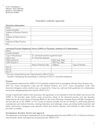
Texas example Prescription Authority Agreement is here.
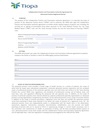
Example Texas Collaborative Practice Agreement is available here.
Yes, Texas requires nurse practitioners to maintain a written Prescriptive Authority Agreement (PAA) with a supervising physician in order to prescribe medications (Texas Occ. Code §157.0512.)
.png)
