
Nurse Practitioner Collaborative Agreements in Texas

Table of Contents

Medium


Meeting Requirements

Board submissions

Distance Restrictions
A Texas collaborative agreement outlines how an NP and physician will work together in everyday practice. It identifies both parties, the practice setting, the categories of medications the NP may prescribe, and how communication and consultation will occur when clinical questions arise1. It also includes basics like how often you’ll meet, how chart review is handled, and whether an alternate physician can step in if needed1. Texas keeps the structure flexible—the agreement doesn’t require step-by-step protocols, just clear prescribing categories and a simple plan for collaboration1.
The Texas Board of Nursing Offers guidance and a comprehensive FAQ on collaborative practice relationships for Texas NPs. The non-profit, Texas Nurse Practitioners, provides a template CPA for a fee.
Citations
1. Tex. Occ. Code §§157.0512, 157.055.
.jpg)
.jpg)
Submitting the Agreement to the State
The supervising physician is responsible for registering the APRN in the TMB’s Online Supervision and Prescriptive Delegation Registration System. No paper submissions are accepted.
Supervision/delegation approval or termination changes should be updated in the TMB system within 30 days.
.jpg)
Collaboration & Supervision Requirements
Prescriptive Authority (Medications & Controlled Substances)
Scope of Practice

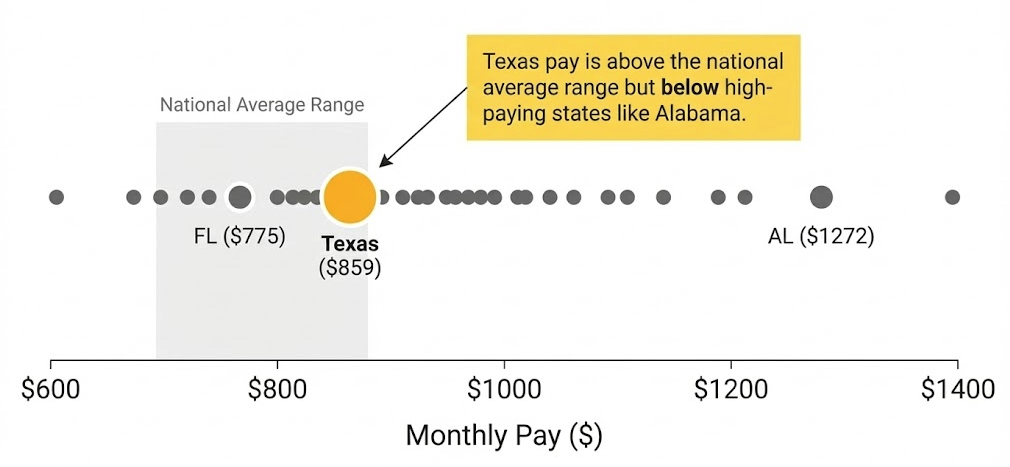
⚠️ Special Note: Schedule II Prescribing In Texas, prescribing Schedule II medications triggers a requirement for direct physician involvement. This increased level of engagement and liability significantly impacts market rates, typically raising the monthly compensation above $1,000/month.

.svg)


.svg)






About the Author


.png)